If you’re like most of the small business owners we talk to, you’re already spending some money on digital marketing. The real question is whether you’re spending enough.
Maybe you have a website, you’re running some ads or posting on social media, but your budget has stayed roughly the same for years while the competition for your customers has changed around you.
Here are five reasons it might be time to give your digital marketing budget a serious look.
1. Digital Marketing Compounds Over Time
This is one of the biggest advantages of many digital marketing investments over traditional advertising: some of what you build continues creating value long after the initial work is done.
When you run a print ad or a radio spot, the money is gone the moment the campaign ends. You rent attention, and when you stop paying, the attention stops.
Many digital marketing channels work differently. An SEO investment you make today builds visibility that keeps producing leads months and years from now. A blog post you publish this quarter can still drive traffic next year. An email list you grow by a few dozen subscribers this month becomes an audience you can continue reaching directly, and every email you send to that list costs virtually nothing.
Think of it like an investment portfolio. A print ad is like renting an apartment. You pay every month, you get a place to live, but you build zero equity. Digital marketing is more like buying a house. The monthly payments are higher, but over time you own something that appreciates in value.
When we work with clients, this is often the first mindset shift we help them make. Your marketing is an investment to manage, just like any other asset in your business. And like any investment, the earlier you put meaningful dollars behind it, the more time compounding has to work in your favor.
2. You Can Measure What’s Working
Digital marketing won’t give you perfect attribution, but it gives you far more visibility into what’s working than most traditional marketing channels.
One of our clients, a fence contractor, was spending $5,000 to $10,000 a month on advertising with no call tracking, no lead attribution, and no way to connect his ad spend to actual jobs.
When we set up proper tracking, the picture became clear almost immediately. He could see which campaigns were driving phone calls, which calls became estimates, and which estimates turned into revenue. Some campaigns were performing well. Others were burning cash. Without tracking, it all looked the same.
This is one of the core principles behind what we call The Small Business Growth Formula™: Tracking is the foundation. Before you worry about driving more traffic or improving your conversion rate, you need visibility into what’s actually working.
With digital marketing, that visibility is built into the tools. Google Analytics shows you where your website visitors come from. Call tracking tells you which ads drive phone calls. A CRM connects your marketing spend to actual revenue. Many of the basic analytics tools are free, and more advanced tracking systems are relatively inexpensive compared with the marketing budgets they’re helping you manage.
The more you invest in digital marketing, the more data you generate, and the smarter your future investments become. You stop guessing and start reallocating based on evidence. That’s exactly how a smart financial investor manages their portfolio, and it’s exactly how your marketing should work.
3. You Can Reach the Right People With the Right Message
Traditional marketing forces you to broadcast one message to a broad audience and hope the right people see it. A billboard speaks to every driver who passes it. A newspaper ad reaches whoever happens to flip to that page.
Digital marketing lets you be far more precise. You can show one message to people who’ve never heard of you and a completely different message to people who visited your website last week. You can target homeowners in your service area who are actively searching for what you sell. You can send an email offer specifically to past customers who haven’t bought from you in six months.
This matters because people at different stages need different things from you. Someone discovering your business for the first time needs education and trust. Someone who’s already visited your pricing page needs a reason to take the next step. When you match your message to where someone actually is in their decision process, your marketing works harder and your cost per lead drops.
A bigger budget lets you build these layers. Instead of running a single ad and hoping it works for everyone, you can create a system where each piece of your marketing feeds the next.
4. Your Competitors Are Already Investing More
This one is simple math. If your digital marketing budget has stayed flat for two or three years while your competitors have been increasing theirs, you’re losing ground even if nothing about your business has changed.
Digital marketing channels are competitive. Google Ads is an auction, so when more businesses bid on the same keywords, the cost per click goes up. SEO is a relative game, so when your competitors publish more content and earn more backlinks, your rankings slip even if your site stays the same.
You don’t need to outspend everyone. But if you’re underinvesting relative to your market, you’re handing opportunities to your competitors. Every lead that finds them through a Google search or a Facebook ad is a lead that could have found you instead.
The first step is to find out where you stand. Run an SEO audit on your own site and your competitors’ sites. Look at who’s showing up for the searches your customers are making. If your competitors are consistently showing up and you’re not, underinvestment may be part of the reason.
5. A Bigger Budget Lets You Diversify Your Lead Sources
One of the most common patterns we see with small businesses is over-dependence on a single marketing channel. Maybe all your leads come from Google Ads, or from referrals, or from one social media platform. It’s working, so you don’t think much about it.
Until it stops working.
We’ve seen a client lose 100% of their paid leads overnight when their Google Ads account was suspended over a policy issue that took weeks to resolve. We’ve seen another business lose 70% of their organic traffic after a website redesign went wrong and nobody set up redirects. In both cases, there was no backup plan.
This is the portfolio diversification principle applied to marketing. You wouldn’t put your entire retirement savings into a single stock. You spread your money across different investments so that if one has a bad quarter, you’re not starting from zero.
A bigger marketing budget lets you build that diversification. Instead of depending entirely on Google Ads, you invest in SEO so you have organic traffic building in the background. Instead of relying on referrals, you build an email list that gives you a direct line to prospects whenever you need it. Each additional channel you add reduces your risk and creates more pathways for customers to find you.
Two or three channels that each contribute meaningfully is the goal. But getting there requires enough budget to invest in more than one thing at a time.
Where Should Your Next Marketing Dollar Go?
The real strategy is spending more on the right thing, in the right order.
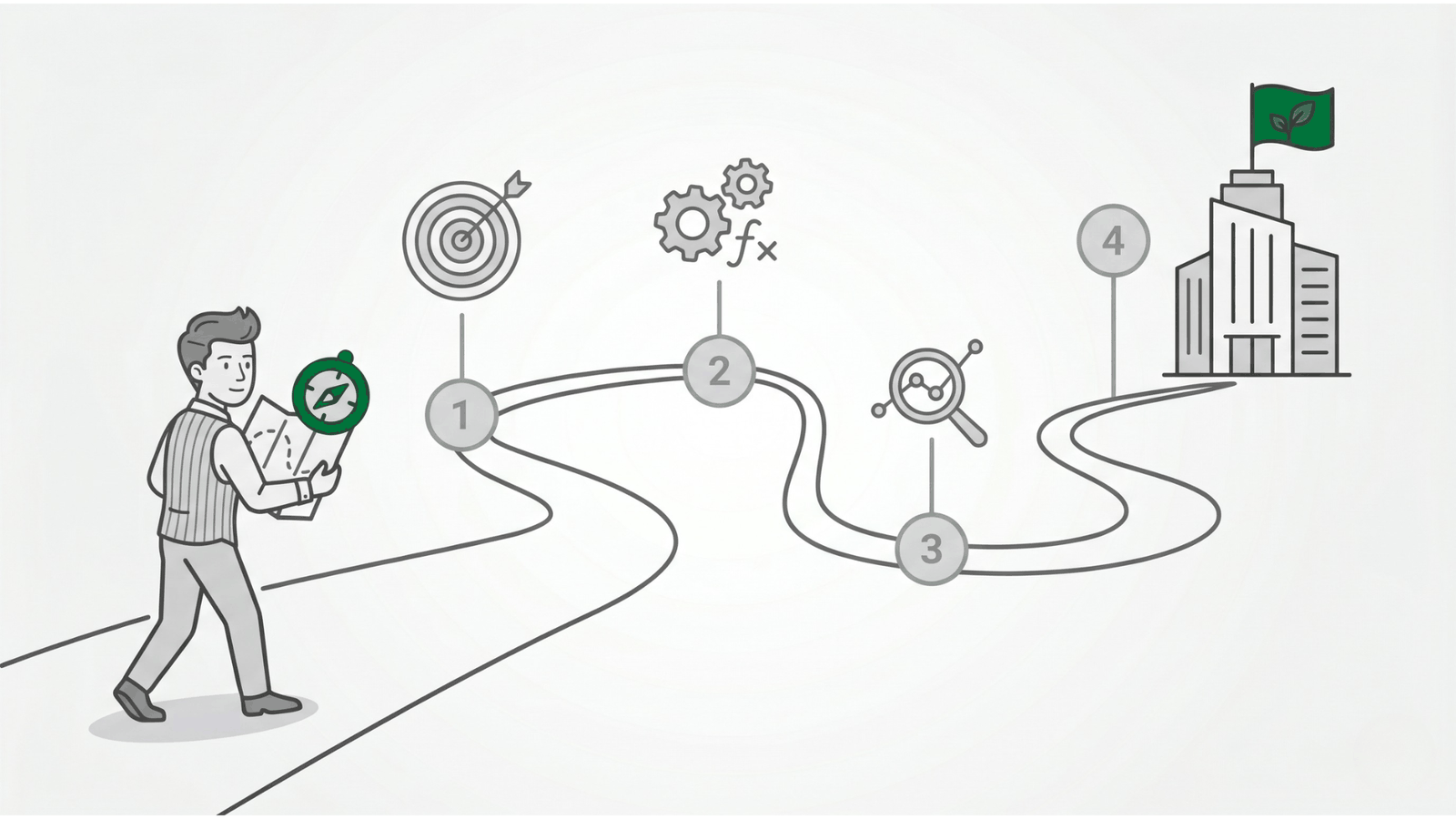
We use a simple framework with our clients: Growth = Traffic x Conversion x Customer Value, with Tracking as the foundation. Your next dollar should go toward whichever of those levers is weakest.
If you can’t track where your leads come from, start there. If you’re driving traffic but your website isn’t converting visitors into leads, fix that before spending more on ads. If you’ve got traffic and conversions but most of your revenue comes from one-time transactions, invest in retention and repeat business.
And if you’re not sure what the right number is, we’ve written a separate guide on how to set your marketing budget. It walks through how to choose a percentage of revenue and allocate it across channels.
Need Help with Your Marketing?
If you’re not sure where your next marketing dollar should go, we can help. We’ll review your current marketing, identify which lever has the most room for improvement, and give you a clear recommendation for where to invest next.